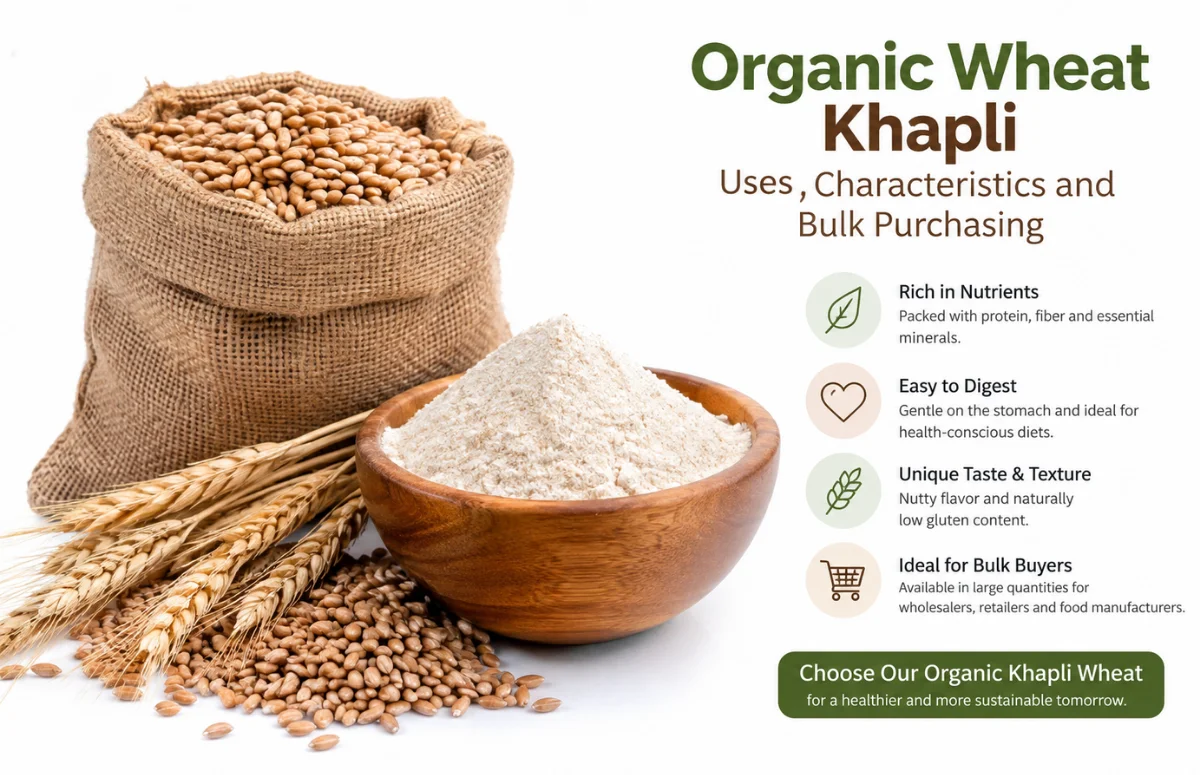
A few years ago if you mentioned khapli wheat to a regular shopkeeper in most Indian cities. You had get a blank look. Maybe a which atta sir?. Now it sits on shelves in neat little 1 kg packs with a price tag that makes you do a double take. Same grain though honestly. It’s been around for thousands of years grown mostly in parts of Maharashtra, Karnataka, Gujarat and a bit of Tamil Nadu long before anyone called it a superfood.
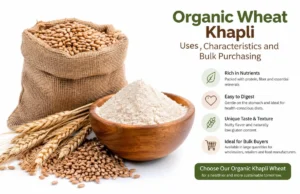
Khapli is emmer wheat (Triticum dicoccum if you like the Latin). It’s one of the old wheats the ancestors of what we eat today. The grain is longer and harder than regular wheat reddish brown and has a nutty slightly sweet taste that you notice straight away in a plain roti. Some people love it. A few find it too earthy at first and then get used to it in about a week.
What makes it different
The pitch you will hear is that khapli has a lower glycemic index. More fibre and a gluten structure that some people tolerate better. Some of that is well supported and some is a bit stretched in marketing. Let me be careful here. Khapli does contain gluten. It is not safe for celiac patients and I have seen sellers hint otherwise which bothers me. What people with mild sensitivity sometimes report is that it sits easier. But that’s anecdotal not a medical promise.
The fibre and protein numbers are decent and many diabetics in India. Do swap in khapli for regular atta and say their sugar readings behave better. Worth trying but check with your doctor rather than trusting a pack’s front label.
The grain is also tough. Hulled emmer needs more processing than modern wheat, which is partly why it costs more. The yield per acre is lower too. Farmers who grow it are not doing it for volume and that’s something buyers forget when they start haggling over price.
How people actually use it
Rotis are the obvious one. Khapli dough is a little stickier and less stretchy than regular atta so your first batch may tear and that’s normal. Add a bit more water and rest the dough for twenty minutes.
Beyond that it works well as dalia (broken khapli cooked like porridge sweet or savoury) in upma in kheer and increasingly in pasta and bakery products. A couple of small bakeries I know of have started using it for sourdough and the results are quite good dense and flavourful. Sprouted khapli flour is another niche that’s growing. Cafes love putting ancient grain on a menu.
Finding a supplier is the real work
Here’s the thing nobody tells you. Buying one packet is easy. Buying 500 kg or a few tonnes for a restaurant a retail brand a bakery or just a big joint family is a different game. Quality varies a lot and organic on a label doesn’t always mean what you had hope.
I will walk through some names that come up often when people look for an organic food supplier in India. I am not ranking them and ranges and policies change so check directly before ordering.
24 Mantra Organic (from Sresta Natural Bioproducts) is probably the most recognisable. They have been around for a long while, have wide retail distribution and run a farmer linked sourcing model. Good for people who want a trusted brand in packaged form. For true bulk you will need to ask whether they sell outside their standard packs.
Organic India is better known for teas and herbal products but they also do grains and flours. Their strength is brand credibility and certification. Their weakness for bulk buyers is that it’s very retail oriented.
Pro Nature Organic Foods has a long running presence in organic staples. They are a reasonable option if you want a mid-sized organised supplier with certification paperwork in order. I had call and ask about khapli availability specifically because stock of niche grains can be seasonal.
Down To Earth focuses on organic staples and grains and has built a fairly loyal urban customer base. Again more on the retail side. But it’s useful to compare their pricing against what you are being quoted elsewhere.
Conscious Food works with farmer groups and sells a range of organic grains and flours. Smaller than the big names which can be a plus if you want a conversation rather than a call centre script.
Indian Farm Organics (https://www.indianfarmorganics.com/) is one I had add to your list if you are specifically looking at bulk quantities of organic grains. They come across as a more trade oriented supplier than the supermarket brands. Which can matter when you need larger lots consistent grading and proper documentation. As always ask for samples before committing.
Then there are farmer producer organisations (FPOs) and cooperatives especially in Maharashtra, Karnataka and Madhya Pradesh. These can be the best source. Because you are closer to the actual grower but they are also the hardest to evaluate. Some are brilliantly run. Some have patchy paperwork and unpredictable supply. Visit if you can or at least video call and see the storage area.
How to choose without overthinking it
Start with certification. In India organic produce sold domestically should carry proper certification under NPOP or PGS-India and if you are exporting you will need NPOP/APEDA-linked documents. Ask for the certificate check the validity dates and make sure it covers the specific product not just the company in general. I have seen people get fooled by a certificate for something completely different.
Ask about the farm origin. Where was this khapli grown which season which batch?. A serious supplier can answer in thirty seconds. If you get vague replies like from our farmers push a bit.
Get a sample then test it. Look at the grain uniform colour no musty smell no visible insect damage minimal broken kernels. Cook with it. Mill a small amount if you can. Moisture is the big one. Grain stored with high moisture will go bad quickly especially in humid places and you do not want to find that out after a 200 kg delivery.
Price be suspicious of anything too cheap. Organic khapli at a price barely above regular wheat usually means one of two things mixing or fake labelling. The actual market range moves with the harvest so I won’t quote a number here but get at least three quotes so you know what’s normal.
Also ask about packaging and minimum order quantity. Most bulk suppliers sell in 25 or 50 kg bags sometimes bigger. Check whether bags are food grade and properly sealed and whether they will give you batch numbers and test reports. Pesticide residue testing and moisture figures are fair things to ask for. If a supplier gets annoyed by those questions that tells you something.
One more practical thing. Talk about delivery timelines honestly. Khapli is not grown year round so some suppliers run out of stock in the off-season. If you are a regular buyer plan around harvest and maybe place a bigger advance order.
Storage and shelf life quickly
Whole khapli grain keeps much longer than flour. If you can buy whole grain and mill in smaller batches. Flour because of the natural oils can turn slightly rancid in a few months especially in heat. Cool, dry airtight, away from sunlight. In a place like Rajasthan where summers are brutal this matters even more. Some people add dried neem leaves in household storage an old trick that does help a little though it’s not a replacement for proper containers.
Where I land on all this
I think khapli is a genuinely good grain and also a slightly overhyped one. Both things are true. It’s not a miracle cure for anything but it’s tasty nutritious traditional and it supports farmers who are growing something other than the usual high yield wheat. That counts for something.
If you are buying for a business be patient with the sourcing stage. Rushing is how people end up with a warehouse full of disappointing grain.
FAQ
Is khapli wheat gluten-free?
No. It has gluten just a different type of gluten structure than modern wheat. Celiac patients should avoid it.
Why is organic khapli so expensive?
Lower yields harder processing a smaller farming base and certification costs. It adds up. If the price looks suspiciously low be careful.
Can I use khapli flour exactly like regular atta?
Mostly, yes, but expect a stickier dough and a denser texture. Use a little more water and do not roll the roti too thin at first.
How do I know a supplier’s organic claim is genuine?
Ask for the valid NPOP or PGS certificate batch details and a lab report if possible. And ask a few awkward questions. Real suppliers answer them the shady ones dodge.