
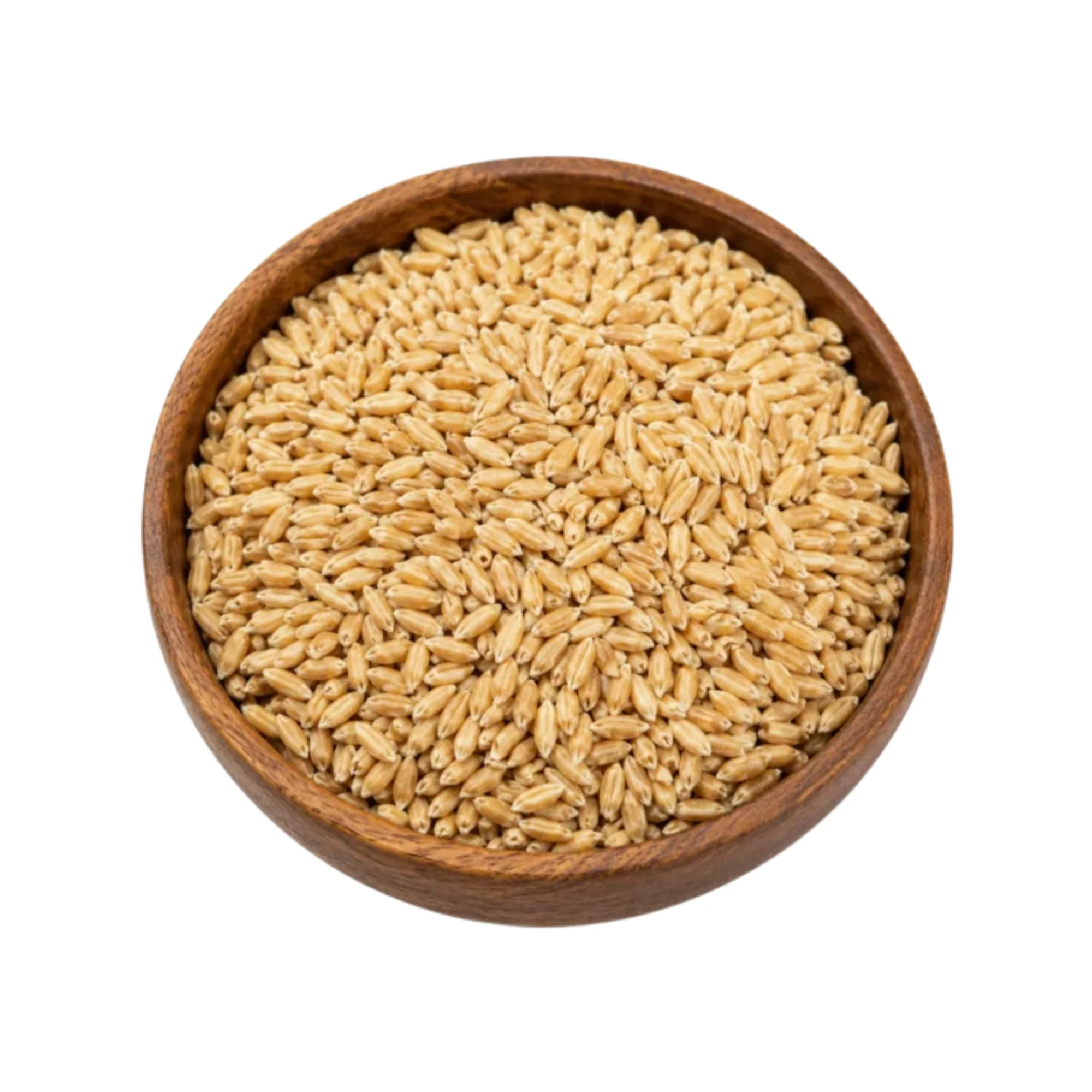
Description
Our Organic Wheat Sharbati is a premium quality traditional wheat variety sourced from certified organic farms in India. Known for its naturally rich taste soft texture and excellent cooking quality. Sharbati wheat is a popular choice for traditional Indian foods and health focused grain markets.
Carefully cultivated using natural and sustainable farming practices. Our Organic Wheat Sharbati is minimally processed to help preserve its natural nutritional value flavor and wholesome characteristics. It is ideal for health food brands private labelers organic retailers flour manufacturers food processors and distributors looking for a premium quality organic wheat ingredient.
Key Features
- ✅ Certified Organic – USDA Organic, EU Organic and NPOP (India) certified
- ✅ Premium Sharbati Variety – naturally known for its taste, texture and quality
- ✅ Naturally Nutritious – a wholesome source of carbohydrates, protein, fiber, vitamins and minerals
- ✅ Minimally Processed – carefully cleaned and processed while maintaining natural grain quality
- ✅ Clean & Natural – suitable for health conscious consumers and clean label food production
- ✅ Non-GMO – suitable for organic and natural food applications
Applications
- Traditional Indian atta and chapati
- Roti, paratha, and naan production
- Whole wheat flour and multigrain flour
- Bakery and food manufacturing
- Health foods and nutritious meal products
- Organic retail packs and private label grocery
- Food processing and wholesale applications
Why Choose Us?
- 🌿 Farm-to-Facility Traceability – sourced from trusted organic-certified farms
- 🏭 Food-Grade Processing – carefully cleaned, sorted, and processed under strict hygiene protocols
- 📦 Flexible Packaging – bulk bags and customized private label packaging available
- 📑 Comprehensive Documentation – COA, Organic Certification, Phytosanitary, MSDS, SGS/FSSAI documentation as applicable
- 🚢 Reliable Global Shipping – LCL/FCL shipment options from major Indian ports
- 🤝 Trusted Organic Food Supplier – supplying quality organic food products to international buyers, distributors, retailers and food brands
Packaging & MOQ
- Bulk: 25kg / 50kg PP or paper bags
- Retail Packs (optional): 500g, 1kg, 2kg, 5kg – private label available
- MOQ: Available as per buyer requirements and packaging specifications

Reviews
There are no reviews yet.