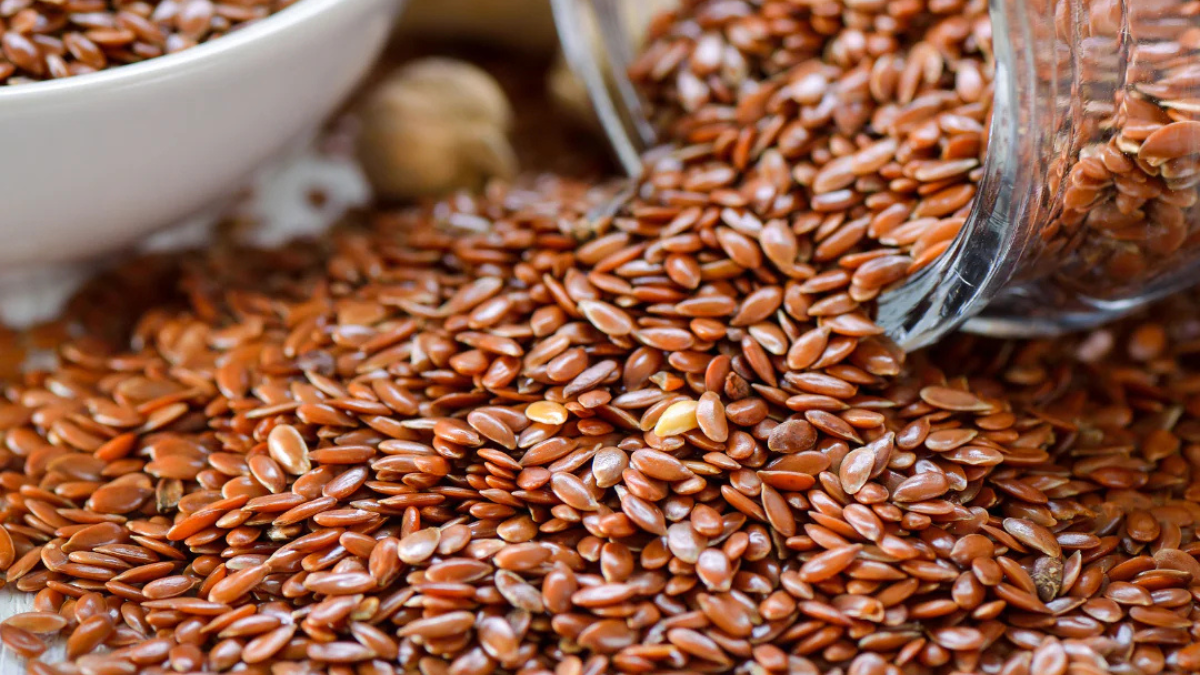
There’s a small, shiny seed sitting quietly in your local kirana store or maybe already forgotten in the back of your pantry. It’s called alsi in Hindi and for most Indian households. it’s either something their grandmother swore by or something they picked up after reading a health article and never actually used.
Organic flax seeds are having a well-deserved moment globally and in India, awareness is catching up fast. But beyond the social media buzz and wellness influencers there’s real peer reviewed science backing up the claims. This article cuts through the noise and tells you everything you need to know what flax seeds actually do how to eat them the right way and why going organic matters more than you might think.
What Exactly Are Flax Seeds?
Flax seeds (Linum usitatissimum) are one of the oldest cultivated crops in the world. Records show humans have eaten this seed since at least 3000 BC in Ancient Babylon. In the 8th century King Charlemagne was so convinced of their benefits that he reportedly passed laws requiring his subjects to eat them.
In India alsi has been used in Ayurveda and traditional medicine for centuries long before the word “superfood” was coined.
Today the scientific community is finally catching up with what our ancestors already knew. And what they’re finding is impressive.
The Nutritional Profile: Why Flax Seeds Punch Above Their Weight
Before we get into the benefits here’s the foundation. Flax seeds are nutritionally powerful because of three key compounds working together:
1. Alpha-Linolenic Acid (ALA) — Plant-Based Omega-3 Each tablespoon of ground flax seeds contains roughly 1.8 grams of plant omega-3 fatty acids. For vegetarians and vegans who don’t eat fish flax seeds are one of the best dietary sources of omega-3 on the planet.
2. Lignans — Nature’s Antioxidant This is where flax seeds truly stand apart. Flax seeds contain 75 to 800 times more lignans than any other plant food. Lignans are powerful antioxidants with phytoestrogenic properties they’re linked to reduced cancer risk and hormonal balance.
3. Dietary Fibre — Both Kinds Flax seeds contain both soluble and insoluble fibre which together support digestion, gut health stable blood sugar and healthy cholesterol levels.
7 Proven Health Benefits of Organic Flax Seeds
1. Heart Health — The Evidence Is Strong
Of all the benefits attributed to flax seeds their effect on cardiovascular health has the most scientific support. Studies show that daily flax seed consumption can lower total cholesterol and LDL (the “bad” cholesterol). The omega-3 fatty acids help reduce inflammation, relax blood vessels and improve blood flow three things that directly reduce the risk of heart disease.
For a country where cardiovascular disease is the leading cause of death, this matters a great deal.
2. Better Digestion and Gut Health
Suffering from bloating irregular bowel movements, or slow digestion? This is where flax seeds quietly shine. The fibre in flax seeds especially the soluble kind acts as a prebiotic, feeding the good bacteria in your gut. Studies confirm that flax seeds help relieve constipation and improve bowel frequency without the harshness of laxatives.
If you’ve been dealing with a sluggish digestive systemMadding one tablespoon of ground flax to your morning routine is worth a genuine try.
3. Blood Sugar Control — Particularly Helpful for Diabetics
Multiple studies have found that flax seed consumption can help lower fasting blood glucose and improve insulin resistance. The benefits appear to be most significant with ground flax seeds consumed consistently for at least 12 weeks.
India has the second highest number of diabetics in the world. Flax seeds won’t replace medication but as part of a balanced diet they are one of the smarter additions you can make.
4. Weight Management Without Starving
A 12-week study found that 68% of participants consuming flax seed hulls twice daily (alongside a low calorie diet) saw at least a 5% reduction in body weight compared to just 9% in the placebo group.
How? Soluble fibre slows digestion and makes you feel full longer. When you’re satiated, you naturally eat less. It’s not magic it’s biology.
5. Hormonal Balance — Especially for Women
The lignans in flax seeds are phytoestrogens they interact with oestrogen receptors in the body. For perimenopausal and menopausal women this can help reduce the intensity of hot flashes and hormonal fluctuations. Research also suggests that women exposed to lignans during adolescence may have a lower lifetime risk of breast cancer.
For women managing PCOS early research shows promise, though the evidence is still building. Worth discussing with your doctor.
6. Anti-Inflammatory Properties
Chronic inflammation is the slow burn behind most modern diseases arthritis, diabetes, heart disease, even depression. The ALA (omega-3) in flax seeds helps the body produce anti-inflammatory compounds. Regular consumption has been associated with reduced inflammatory markers in the blood.
If your joints ache or you’re managing an inflammatory condition, flax seeds are a low risk high reward addition to your diet.
7. Skin and Hair Health
Flaxseed oil derived from the seeds is rich in omega 3s that help maintain the skin’s moisture barrier and reduce dryness. Applied topically it can soothe conditions like eczema and rosacea. Internally the fatty acids contribute to stronger hair and a healthier scalp.
This is one benefit that’s been talked about in Indian beauty traditions for a long time and science is now validating it.
Organic vs. Conventional Flax Seeds — Does It Actually Matter?
Conventional flax seeds may carry residues of pesticides and herbicides used during cultivation. Since you’re consuming these seeds in relatively small quantities with a goal of improving your health, contamination is counterproductive.
Certified organic flax seeds like those from Indian Farm Organics are grown without synthetic pesticides chemical fertilisers or GMO inputs. They go through rigorous certification processes (NPOP, USDA, EU Organic) to ensure what’s on the label is what’s actually in the bag.
Beyond personal health, organic farming practices are better for the soil for water systems, and for the farmers who grow your food. When you buy organic you’re participating in a better system not just consuming a better product.
How to Eat Flax Seeds: The Right Way (This Part Matters)
Here’s where most people go wrong: eating whole flax seeds gives you very little benefit.
The outer shell of the whole seed is tough enough that your digestive system passes right through it without absorbing the nutrients inside. To unlock the omega-3s, fibre, and lignans, you need to grind them first.
The golden rule: always consume flax seeds ground, not whole.
Here are the simplest ways to get them into your daily routine:
Morning smoothie or lassi — Add 1 tablespoon of freshly ground alsi to your morning drink. You won’t taste it much but your body will notice.
Mix into atta/flour — Replace 2–3 tablespoons of regular flour per cup with ground flax when making rotis or parathas. It adds a slightly nutty flavour and significant nutrition.
Sprinkle on curd or oatmeal — One of the easiest ways. Ground flax seeds blend into the texture without altering the taste dramatically.
Add to khichdi or dal — Stir in a tablespoon just before serving. Heat doesn’t destroy the ALA or lignans so cooked dishes work fine.
Chutney or mukhwas — In some regions, lightly roasted alsi is already a traditional post-meal digestive. You can dry-roast the seeds lightly and eat a small amount as is.
Recommended daily amount: 1–2 tablespoons of ground flax seeds per day is the generally accepted guidance. Start with one and see how your body responds.
Storage Tips — Don’t Let Them Go to Waste
Flax seeds are sensitive to light air and heat.
- Store whole seeds in an airtight container in a cool, dark place. They can last up to a year.
- Store ground flax seeds in the refrigerator and use within 2–3 weeks, as the oils oxidise quickly once ground.
- Never heat flaxseed oil it degrades at high temperatures. Use it cold, in dressings or drizzled over food.
Grind only as much as you need for the week to preserve freshness and nutritional potency.
A Word on Side Effects — Who Should Be Careful
Flax seeds are safe for most people when consumed in recommended amounts. However:
- Pregnant or breastfeeding women should avoid flax seeds. The phytoestrogenic properties of lignans make this a precaution worth taking.
- People on blood thinners or antiplatelet medications should consult their doctor first, as flaxseed oil may affect blood clotting.
- If you have digestive issues, start with a small amount (half a teaspoon) and build up gradually. Suddenly increasing fibre can cause temporary bloating.
- Always take with adequate water — the fibre absorbs liquid, and insufficient water can cause the opposite of the intended digestive effect.
The Indian Context: Why Alsi Is Making a Comeback
Somewhere along the way, alsi fell out of mainstream Indian kitchens. It was replaced by more convenient processed options. But the conversation around food in India is shifting.
Younger consumers are reading labels. Urban households are choosing whole foods over packaged products. The organic food market in India is growing at nearly 20% annually and seeds like alsi are at the heart of that movement.
There’s also an export angle worth noting. India’s organic food exports jumped from $213 million in 2012–13 to $665 million in recent years. Certified organic flax seeds, sourced from Indian farms and exported with full documentation, are part of a story about Indian agriculture getting cleaner, more sustainable, and more globally respected.
Indian Farm Organics organic flax seeds are grown on certified farms, ensuring they’re free from synthetic chemicals and traceable from soil to shelf.
The Bottom Line
Flax seeds aren’t trendy. They’re timeless. The science is solid, the tradition is ancient and the practical barrier to entry is low one tablespoon a day ground and stirred into something you’re already eating.
If you’re serious about heart health digestion blood sugar or simply eating cleaner organic flax seeds deserve a permanent spot in your kitchen. Not in the back of the pantry. In your daily routine.
Start small. Stay consistent. Your body will thank you in ways you will actually feel.
Indian Farm Organics supplies certified organic flax seeds (alsi) sourced directly from certified farms in India, with full NPOP, USDA, and EU organic certification. Available for retail and bulk export enquiries.https://www.indianfarmorganics.com